When Settling Feels Safer Than Wanting More
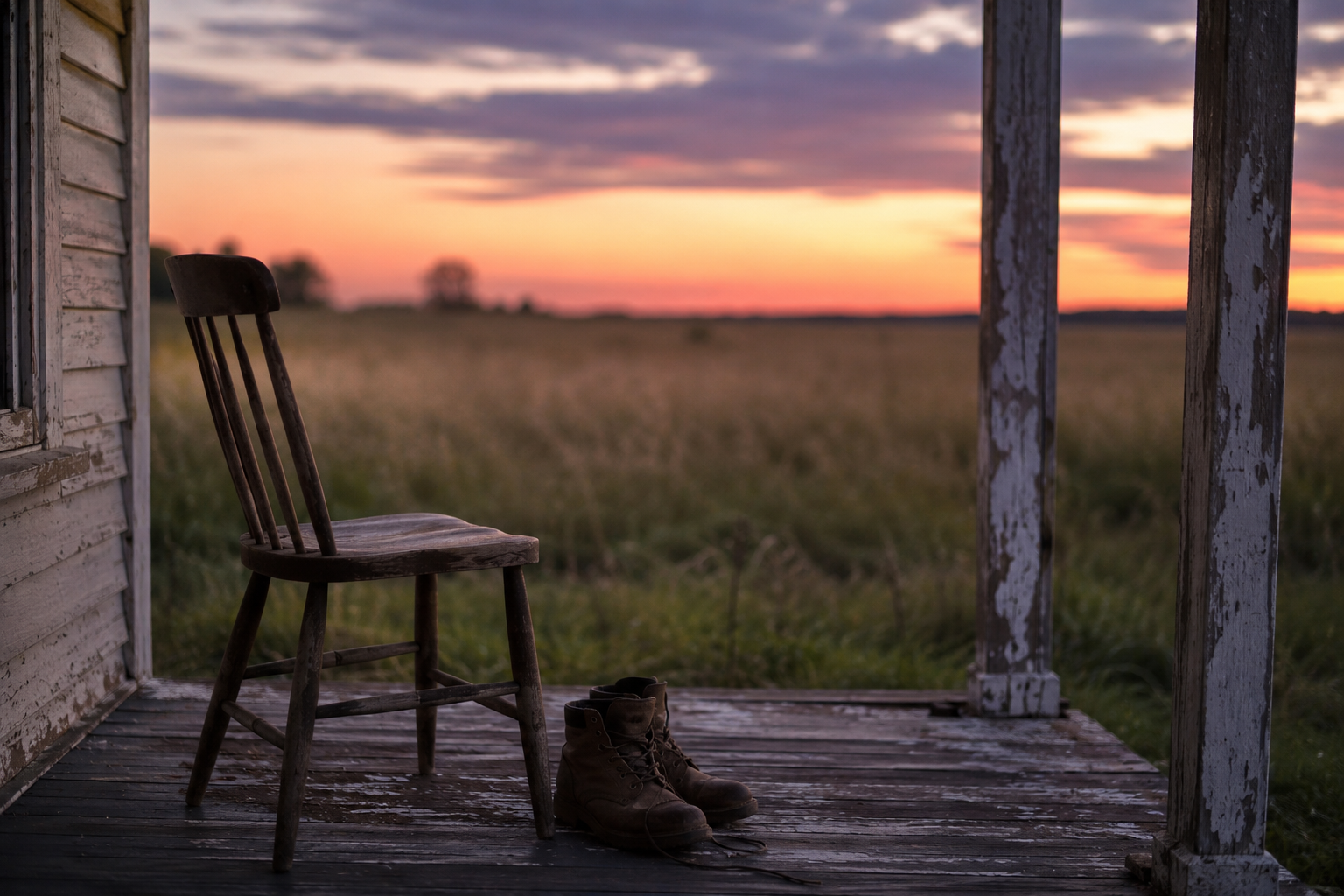
The cost of settling is that the life that once helped you feel safe can slowly become too small for the person you are becoming.
The life that seems responsible
Before I became a coach, I spent many years doing work that helped me survive, pay the bills, and stay within the limits of what I believed I was capable of and qualified to do.
At the time, those choices made sense. I needed security. I needed income. I needed to do what seemed responsible. I chose work that appeared practical, realistic, and available to me. From the outside, it may have looked like I was building a life. In many ways, I was.
But looking back, I can also see something else.
I was settling.
I was choosing what seemed safe over what felt alive. I was choosing what seemed possible over what I deeply wanted. I was choosing the version of life I thought I could have, rather than becoming curious about the life I might actually want if fear were less in charge.
Settling can look like wisdom
Settling can seem mature. It can seem practical. It can even seem noble.
You tell yourself you are being realistic. You remind yourself that other people have it worse. You focus on paying the bills, keeping the peace, meeting expectations, staying dependable, and avoiding unnecessary risk.
There may be truth in all of that. Sometimes we need stability. Sometimes we need to do what supports our responsibilities. Sometimes the next right step is simply to keep going.
But settling becomes costly when survival turns into the ceiling. It becomes costly when safety becomes the reason you stop listening to yourself. It becomes costly when the life you have built requires you to leave too much of yourself behind.
The quiet cost of settling
Settling rarely announces itself all at once. It usually shows up quietly.
It may show up as low-grade resentment. It may show up as isolation, boredom, or a sense that your life has become smaller than it was meant to be. It may show up as irritation toward people who seem freer than you feel. It may show up as a loss of energy, a loss of imagination, or a quiet grief that you have learned to explain away.
You may still function. You may still show up. You may still do what needs to be done.
And yet, something in you may know that functioning is a smaller life than fulfillment.
That recognition can be uncomfortable, especially for people who have spent years trying to get through life, keep things stable, and avoid creating more pain. When life has required so much effort, wanting more can feel dangerous. It can feel selfish. It can feel unrealistic. It can feel like opening a door you may regret opening.
Why settling feels safer
Settling often continues because, at some level, it feels protective.
If you let yourself want more, you may have to face the possibility of disappointment. If you follow the quiet inner guidance that points beyond your comfort zone, other people may question you, criticize you, or quietly wait to see whether you fail. If you try and it does not work, you may feel exposed, inadequate, foolish, or judged.
That can feel painful enough that wanting less begins to seem wise.
A smaller dream can feel safer than a real one. A familiar dissatisfaction can feel safer than an uncertain possibility. A life that costs you your aliveness can still feel safer than risking failure, rejection, or disappointment.
This is why telling yourself to “just go for it” rarely works. The fear needs attention before the dream can become reachable.
Getting curious about the fear
The first step is usually curiosity.
Before you ask what you want, it may help to ask what settling has been protecting you from. What feels risky about wanting more? What are you afraid might happen if you move toward the work, relationship, honesty, creativity, connection, or life that feels more true for you?
Maybe you are afraid of failing. Maybe you are afraid of being judged. Maybe you are afraid of disrupting a life that is familiar, even though it no longer feels fulfilling. Maybe you are afraid that if you let yourself want something deeply and do not get it, the disappointment will feel too painful.
These fears deserve respect. They may have been trying to keep you safe for a long time.
When you become curious about the fear, something begins to shift. The fear no longer has to run the whole life from the background. It can be brought into awareness. It can be heard. It can be addressed. And as that happens, your internal capacity can begin to grow.
Wanting more does not require a reckless leap
Once there is more capacity, the question of what you want can become less threatening.
You may begin with a small preference. A quiet desire. A first step. A conversation. A class. A boundary. A creative experiment. A new direction you are willing to explore before you are ready to fully commit.
That is often how a more aligned life begins. It begins by noticing what has been given up. It begins by listening to the fear that made settling seem necessary. It begins by allowing yourself to wonder what might be possible if you did not have to abandon your preferences in order to stay safe.
For me, the shift began when I could no longer ignore my dissatisfaction with the work I was doing. I wanted to feel good about what I did for a living. I wanted my work to involve people, support, growth, and encouragement. I wanted to do something that felt meaningful enough that I was willing to earn less, at least for a while, if that allowed me to like what I did with my life.
That desire did not arrive fully formed. It became clearer as I paid attention.
What are you giving up?
Settling comes with a cost.
What are you giving up when you settle?
Are you giving up aliveness, honesty, intimacy, creativity, contribution, courage, connection, or a sense of possibility? Are you giving up the chance to discover what might happen if you trusted the quiet guidance inside you? Are you giving up a life that feels more like yours?
And what if you did not have to settle?
That question may bring up fear before it brings up excitement. It may bring up all the reasons staying where you are seems safer. That is useful information. The fear is part of the story. It shows you what needs care, attention, and reassurance.
But the fear is not the whole story.
There may also be something in you that still knows what you want. Something that has been waiting for enough safety, enough capacity, enough support, or enough honesty to begin moving again.
You do not have to force a dramatic change before you are ready. You can begin by noticing. You can begin by asking what settling has been protecting you from. You can begin by asking what it has been costing you. And when there is a little more room inside, you can begin to explore one first step toward the life you have been quietly wanting.