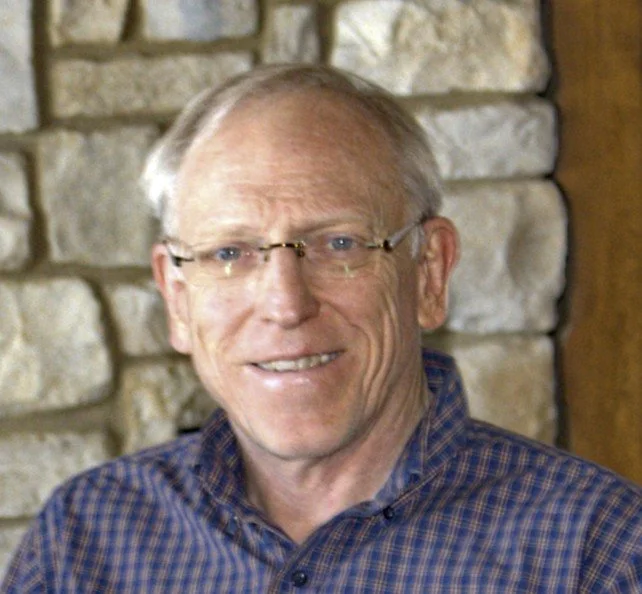
Nick: unless you really do the work, you're not gonna be able to fulfill your purpose.
Nick: Most of us have an 8-year-old that are running our lives.
Nick: Marriage and committed relationships are an exquisite opportunity to work shit out
Marty: Welcome everyone to the Tru You Podcast. I am here with my partner, bill Tierney,
Bill: Hi everybody.
Marty: and we have a special guest today, Nick Meima.
Nick: Hello, bill. Hello Marty.
Bill: Hi Nick.
Marty: Welcome Nick.
Nick: Delighted to be here.
Marty: Nick is a friend of ours. He's part of a circle of coaches. We call ourselves the Coaching Excellence team. And so we've known Nick for a while and we wanted to have him as a guest. He has a different specialty. Nick is a. A divorce coach, a couple's coach, and a life coach. So he's got a specialty in this area of intimacy and the breaking down of intimacy and the making of intimacy.
And think we're gonna have a great conversation today around what. You've discovered in your work, about how people tap into their true self. I'd like to, start out asking you about that journey for yourself. I know that you've done, you've had quite a career, you've done. Co-housing, you've done counseling, you've done a lot of different things.
So maybe if you could just introduce us, like with a three minute bio and tell us how that, what, how that's led you to see who you are truly. And then we'll go from there.
Nick: Okay. Three minutes. Lemme see what I can do with that.
Bill: No timer. There's no timer. Just take the time you need.
Nick: so was, when I was 17, my. Paternal grandmother developed what we probably now would call Alzheimer's. We then called it ceno dementia, and she stayed my mother, father, and my sister and I for a couple of weeks, about a month. And one of us had to be watching her at all times. when she left to go stay with my aunts at 17, I was tired. thought, I'm se I knew enough to know that at 17 I had a lot of energy. And then my question became, could this have been preventive? So when I got to my undergrad, I focused on whenever I could on anything that related to aging and write, wrote papers on aging. And then when I graduated, I wanted to pursue a master's in gerontology, which is Study of Aging. And there was no program in the country at the time that offered that. then I pursued a passion and interest of mine, which is a master's program in marriage, family, and child counseling.
Marty: Mm-hmm.
Nick: And just as I was completing that, the first program in the country at U University of Southern California a master's in gerontology. I was in the first class of that school and got my master's in gerontology and then was offered A-A-A-C-E-O role of a really large retirement community.
Marty: So let me, sorry, I'm gonna interrupt just for a second. I, it's 'cause I think it's interesting that it says something about you that this whole career kickoff came from an experience with your grandmother and the needs of the, of the aged.
Nick: And so I had unique experience where there's a lot of people on the street that I lived in. It was a quiet street, but there were a lot of older people. And so they were distant rel, a lot of 'em were distant relatives and so I would visit with them and I'd just shovel snow rake leaves, do odd jobs, starting at age 12 and really got to spend a lot of time in all, both my sets of grandparents, paternal and maternal celebrated their 50th wedding anniversary together. So I had an opportunity to spend a fair amount of time with older people more than probably most people of my age. So it was just a sense of calling, if you will,
Marty: Mm-hmm.
Nick: I pursued. And then when I landed the role of CEO of that large retirement community at age 24, I had not been well prepared by the management company to take that role on.
But they really wanted that piece of paper, that diploma on the wall. And I was the only person in the country that. That was in the administrative track to, to do that. So I did that for 16 years and it was very demanding in some ways very fulfilling. And after 16 years I said, I am done. I have done everything I know to do and I left.
And I started a nonprofit.
Marty: Now at that point it were, was that question, how were you relating to that original question? Could this have been prevented at that point?
Nick: At that point I was in a broader question, which is how could I, initially when I came to that this is a university town and so there are a lot of faculty, alum and staff, and I thought, wow, this is phenomenal. So I tried to organize a seminar series, get, they had so many people, had so much accumulated knowledge. It quickly goes back for one split second and the first day back at the master's program there, there were 50 of us that started, 18 graduated. It's really challenging. Somebody said that the reason that they were in the program was 'cause there was so much wisdom with older people that was going untapped. And I I'm laughing a little bit because there was a part of me, it was that version of me that said to that person, many older people do you know? Meaning that I had a lot of experience with older people even at that age. And many of them did not have a lot of
and that was partly a, education, intelligence, desire to keep learning.
That. I did arrive at that facility with the idea of this could be a wonderful opportunity for everybody. And I was met with, we're retired, so nobody ever did anything. those lines. And it was disappointing to me at, some nights I'd be working late and I'd just do I'd be walking through the facility I walked down the hallway and I'm hearing out of both sides as I'm walking down dun. You know what? Jeopardy or Wheel of Fortune, I can't remember which. And that's what they're doing. was and then my job just came to offer the best services I possibly could in the retirement, in the apartments, in the nursing home part. 'Cause I had to give up possibility and just do the best I could to make it the most successful community I could. By the time I left, it did win awards and it was one of the best in the country. I'm gratified to be able to say. I facetiously say I got my PhD in psychology in that role with, there's a staff of 350 people over 400 people live there. And so it was very challenging.
Marty: I wanna interrupt just to, to get the, your wisdom from having gone through these experiences. Like what, what do you, at that age, learning about the true human being and yourself in particular? Uhhuh. Mm-hmm.
Nick: if I said I lived to 80, if I lived to 80 and I didn't have wisdom or capacity for
Marty: Right.
Nick: then you know, I wanted to be, I wanted to be generative. Even in, in my age years, that became clear to me that even though I wasn't seeing it from them, and I didn't see it particularly from my parents or my in-laws. I wanted that for me, really have a sense of a spiritual leaning that my belief is that we're here for a purpose that doesn't end at age 65.
Bill: It sounds like, Nick, you might've been wondering by then, where did this myth of Wes wisdom with our elders come from? Because you, it sounds like you hadn't seen any of it.
Nick: I, I had not seen a lot of it correct. It was it that was disappointing and it still is disappointing 'cause I still hear people talking about it and truly, if the, my understanding is about 80% of the population has never gone to college and lot of people are approaching age 65 with very limited resources financially. The majority as I understand it, it's a situation where I think most people are not in the place where they're approaching their later years with wisdom.
Marty: Hmm.
Nick: In my experience, yes.
Marty: Mm-hmm.
Bill: we inter introduced inter, excuse me, we interrupted your introduction, your bio but notice that we're both just really interested and curious about some things, just even given what we've learned so far for example, I guess I want to hear the rest of the story. Did, does this story turn out well?
Did you finally find a group of people or some aspects of, what predictable indicators point towards a group of people that are go going to end up in wisdom in their elder years.
Nick: Yeah. I had just one slight interval, which is five years in which I had two daughters, both of which were going into or in college. So I had to continue to generate an income. So for five years I created a home health agency with a good friend of mine and then sold it to him at FI after five years.
And that's when I went into after a divorce, went into a real passion, which was co-housing. is an intergenerational, community of people who buy a condominium. the, and the whole thing, the whole design of the facil, excuse me. The whole design of the project is based on how does form follows function to function, wanted to be, how do we keep people connected more, most easily? And for example, parking is out on the perimeter and you walk in, there's a building called the Common House. That's where you pick up your mail a couple times a week. There's a, a shared meal. And then all the meetings unlike the typical condominium, every adult in the community is part of the board. And so decisions are made in a consensus decision making, which can be really challenging. So really, while I was with the retirement center, I found out about this book. That was called co-housing, a contemporary approach to housing ourselves. This is back in, in the eighties. I was so drawn by the concept and so why I'm referencing that in context of your last question, bill, is that this is multi-generational. Co-housing is multi, most, there are some causing projects that are only seniors, are multi-generational. And it was such a gift to have older people. I was. In my forties to fifties while I was there. And then of course kids and the opportunity for people of all ages to, to relate. And one of the things that was compelling about it for me is that how older people would have the opportunity that they normally would not have in their typical neighborhood to interact with kids
Marty: Mm-hmm.
Nick: in a lot of different ways. And that was generative for both of
Marty: Right.
Nick: whether it was reading a book or. Doing some tutoring, whatever it was. And one of the profound things that happened while I was there, there were two older women were, had terminal cancer, and with both of them about a year apart, this coincidentally, able to do a celebration of life while they were alive
and be able to tell them while they're alive what we appreciated and valued.
That was profound for every, everybody there, everybody. And so there are many things about it. Was able to then with a couple of partners, create two other Cohousing communities. It's the only place in the world to my knowledge, that there's three cohousing communities on the same street. And they have gone on, over the years to create an integral connection between all three communities. So now there's 120 units. Condo units with a lot of, and these people are, again, multi-generational and committed to making a difference. So one of the significant things that I valued about cohousing, in addition to what I've already said, was an environmental sensitivity. the facilities, every building was really energy efficient, one lawnmower and just and all the different ways that we could support the environment and minimize impact. So that was. So for me, this is a real sense of, I, I knew that this was for me to do and I really was passionate about it.
And the unique thing about Cohousing is that you have to sell the units before they're built, which means you gotta be able to convey the concept and so compelling way that people would be willing to
Marty: Mm-hmm.
Nick: And I was fortunately, that was my job for all three communities and then facilitate all the meetings using the consensus model and. I'm delighted to say that my youngest daughter attended virtually all the meetings in the first project that, that I did, and she went on to, she's now a really successful coach because she was inspired because, there'd be this conflict and it would get resolved and then, and so it was, that was really, it's really gratifying.
I just talked to her last night and she's enormously successful as a coach with organization, so
Marty: So, what was it again? I, I don't mind my interrupting again, but I'm interested in there's something about that, what you were called to do there. That's that again, tell true.
Nick: Aging.
Marty: The right. Exactly. And now this, the, all of these, there are a lot of things that stimulated you about this, the bringing people together from different generations, the environmental awareness the, there's a lot of things that tell us, that, tell us something about the true you here too,
Bill: Conflict mediation, probably the co. Yeah, consensus. I've been involved in a consensus
Marty: right? Right.
Nick: and then and I omitted to say because it was implicit is my strong sense of desire to, to catalyze or participate in
Marty: Mm-hmm.
Nick: which I, when I first started. Cohousing. There was a book that, that was titled Bowling Alone, B-O-W-L-I-N-G, bowling Alone. And even back then, the notion of the disconnection that so many people have separate.
We don't know our neighbors and we're living in a very limited silo, if you
Marty: Mm-hmm.
Nick: And then of course, in my opinion, it's gotten more and research supports this more and more fragmented with COVID. And now with these little devices called cell phones and laptops, so much happens without a per interpersonal connection
Marty: Mm.
Nick: people in real
Marty: Mm-hmm.
Nick: So I'm still very interested in in, catalyzing whatever I can community.
Marty: Yeah. And maybe that plays into now this chapter of your life that's about marriages. 'cause you the common theme so far is connection. People being connected.
Nick: So oh eight happened, and that was when the economy collapsed and it was really profound in Michigan where I was living, my stepdaughter and oldest daughter were living together in Boulder, Colorado. And my wife and I said, okay, it seems like if we're gonna move and start over, this would be a really good time to do that. Not gonna dwell on it, but one of the things I've been trained in is designing and officiating ceremonies. And so when I first came to Colorado for the first year and a half, I did about a hundred weddings I designed and officiated. That was, meeting with the couple and then designing a ceremony uniquely for them. And if you've never done a wedding ceremony out outdoors and most of them were outdoors, it's really challenging 'cause there's always something happening outdoors and being able to adapt to that. I found that, I love that. I just love the challenge of it and to be really competent.
That wasn't gonna be my career. But it was something that I could at least land and start doing right away. And then what was, there was a real true sense of calling to, do divorce work. And, but also because of my background working with couples and my business card for couples, it says bending or ending and mending is repairing. Most of the couples that I get to see are beyond that. Their relationship has fragmented so much so that there really is a lot of conflict. And then the question becomes, can this couple, is this couple capable and motivated to together reshape and redefine the relationship
Marty: Mm-hmm.
Nick: and the answer is most people no.
But it's still what I work with when I work on it. And then sometimes it's a no. Then how can we. integrity and as much care and concern, end it. So
Marty: mm-hmm.
Nick: in simple terms, what I do with couples. and then individual life coaching then the divorce part. Now the divorce part for me takes up I have a 10 week program, which is a classroom format, not a educational, but it is. It's therapeutic in the sense that it really helps people move through emotions, but it also gives 'em lots of tools to enable them to move on with their lives in a much more informed way than they were when they started the 10 week program. And, most people in their marriages, either one person decides it's over and then they feel somewhat guilty about it.
And then the other person didn't decide to leave, it feels rejected. So there's blame going on either, either direction and how to navigate that in a con. So most people don't. I would say 75 to 80% people going through divorce, don't do any therapy, don't do any program, end up going into their next chapter of their lives. Oftentimes, a lot of resentment, a lot of bitterness, and for most people, not a clear sense of what they contributed. For the relationship not being sustainable or, so that's my goal is if you're gonna go through a divorce, what can you learn from it?
Marty: And just just so that the listeners know, we're gonna give you the information about how to get in touch with Nick at the end, if this is something that you would like to learn more about from him.
Nick: So one of the interesting things for me beyond, I've probably worked, had about a thousand students now in that program. Over the last 15 years. But I've also done individual coaching work with CEOs, business owners and some celebrities. reason I'm mentioning that is because both of you are business owners and there's many business owners who are also married and their partners are also in the business with them. And that, that often creates. What is the marriage really? Is it the business? Is it, really husband and wife and heterosexual? And oftentimes no, we're business partners. And then when the end of the marriage happens, it often can really be the end of the business. And so how do I support that couple and or the individual, whoever it is. And so that and or the CEO. I've had CEOs of publicly traded companies the word about their divorce can't get out too soon because if it does, word gets out and then they start looking a little more closely, how is he or she gonna handle this divorce? It is gonna impact their performance.
Is it gonna impact? And sometimes it does. So they don't get the kind of support they really need. That's, so I have a special program. It's a three month program for CEOs or, business owners or even celebrities, have had a couple of them at the beginning, almost every single day, I'm spending time with them to help them because at the beginning they're sometimes completely thrown by this whole experience. if I can get 'em to do in the first week, two hours of constructive work, that's better than they were doing when they met me. And at the end of the second week. We're up to three or four, and then by the end of typically a month they're much more able to engage in a very effective way for let's say seven or eight hours. And so I stay with them for typically three months to keep supporting them to gain their emotional footing, as they navigate through that. And
Marty: I, so I, again, I, I hate to interrupt, but I, I really want to start, and, and maybe I should, you know, let you finish the story first, but I want to start. You've talked about many different kinds of work you've done.
I wanna start to draw out, like what have you learned from all this that we could pass on to our listeners?
Because you're a very wise man having gone through all of this, and I wanna start to get into what, what. What you have to convey to us about what the true human be to be one's true self is having been working in gerontology and cohousing and now relationships and also business.
What do people need to learn? What can we learn from all that?
Nick: Okay. I'm just gathering my thoughts. So what occurs to me first is that to be in a couple relationship without some initial support is for many people, creates. dynamic that it's ill faded.
Marty: I see.
Nick: so my strong suggestion is if you are gonna get married and you don't need to be married to have a committed relationship, I'm talking about legal now.
Marty: Right.
Nick: but even if you're gonna be in a committed relationship, not legal getting premarital support, 'cause my opinion, there's tools that, that a couple can get that would be really helpful in particular techniques and whatever communication, conflict resolution. How do we, how, when we're under-resourced, how do we deal with that further? I'm.
Marty: My, my, my dad was a, a minister, a Protestant minister, and before he would marry a couple, they had to do a, you know, a, a brief. You know, here's what to expect that a marriage and what to be prepared for when you know there are tough times. And he was very insistent on that. There were a number of times when people would come to him and say, oh, we don't need that.
We just wanna get married. Just marry us. That's, that's your job. And my dad would not do it. He's like, because he said the same thing, it will be ill.
Nick: Right.
Bill: I probably would've only been married once if I had gone through that. I'm in my third marriage now.
Nick: So yeah it's profound. And then 60, whenever there's a first child 60% of marriages become very, I would say, dysregulated as a result. Then when a second child, 80% of marriages become dysregulated as a result of that. And they never really have the tools or the perspec, it's not a big surprise that your relationship is gonna change dramatically when you have a kid. You have a second. It's exponential, right? And
Bill: 4, 5, 6, 7.
Nick: being prepared for that, most people never are adequately, like having the mindset for how do we, how do. How do we build and maintain this relationship together, even when we have a child?
Bill: Lemme jump in if I could. Nick. I'm the second oldest of seven. And my earliest memories are, some tender sweet spots, moments, but then with numbers 3, 4, 5, 6, and seven it got increasingly dysfunctional and challenging for my parents and they showed up less and less competent as we went on.
Nick: Yeah.
Bill: They could have used some help.
Nick: Yeah. So that's my that's, so that's another thing is, having the opportunity and there's various ways to get support for that.
Marty: hearing this is really, uh, helpful. I mean, I, I assume that people don't get the, this kind help because they think they don't, you know, it would be, like that they shouldn't need it somehow. And just to hear from somebody with your experience, like, no, this is something everybody ought to have.
That's gotta be very, I would imagine, very reassuring. And, and your. You know, your experience. Um, bill, uh, just amplifies that.
Bill: So I'm 22 years old at the time of my first marriage, I'd already been waiting for three years to marry this woman who had to go through high school first. So she graduated from high school and I can't get her married quickly enough because I'm so insecure. insecure and had someone said, oh, let's just say that she had said, I, yeah, I wanna marry you, and I want, I wanna talk to somebody.
I want this to go can we meet with somebody and get some support and counseling? I would've been pissed, terrified, really nervous about it, and probably a real tough customer. Really difficult to coach. Probably at that point, do you run across that often?
Nick: Absolutely. Yeah. Most people, one or both are reluctant. This. Then this again goes back to a couple key things that when we say to this other person, I love you, I'm talking about at the beginning, early on in the relationship, they're not really saying, I love you to the real person. They were saying, I love you to the fantasy of the illusion of that person. And and then coupled with that, when they actually tie the knot, unconsciously they're handing the little girl or little boy and the heterosexual couple to each other unconsciously and saying, you take care of her. You take care of him.
Of
Bill: Yeah.
Nick: we can't do that.
and then that moment arrives when he is what? What, that's not the
but then women, more than men tend to say, but I can change him. And so it's, it's a journey that's fraught with insanity, right? Insanity.
Bill: Why is that funny?
Nick: definition is insanity is not being in reality, right?
And
Bill: Yeah.
Nick: disillusionment is when that, when the fantasy of who we thought they were, who we fell in love with, who we created. Disillusionment is one of the most painful things that a human being can experience in my, that's my reality and from what I've learned. So that's another thing is to really be as, as prepared and
Marty: So
Nick: as much support and
Marty: I love this. Yeah, I mean, I was in a committed relationship from about 22, 24, somewhere in there. I don't know the exact, I'd have to stop and figure it out to. Third in my mid thirties and, um, when I look back on myself and that relationship, I am, I didn't know Jack, I, about how to, you know, I would be so much better at it now than I was then.
You know, I think everybody would, could probably say that we, we just. We've gone through a lot more. We've been in a lot of other kinds of relationships. We learn how to communicate and who we really are. You're talking about the, the illusion, like he's not the same person. I'm not the same person either, and, and, and so I, I think this is really important, but, so what it implies is that if a relationship is going to last.
That there, that the partners need to be ready to change inside of the relationship and not to expect that, oh, who we were when we were both 22. It's gonna be who we are when we're 88.
Nick: so what I talk about is the relationship as the third thing.
Marty: Hmm.
Nick: There's
Marty: Mm-hmm.
Nick: she and a heterosexual couple and the relationship. But people talk about our relationship, but they don't. It's just a. a, an abstract concept and, just to use, for example, the book, the Five Love Languages, a lot of people know about that book.
The, the Five Love ranges are gifts, acts of service, quality time, words of affirmation and
Marty: Touch.
Nick: I'm blanking. Touch, physical Touch. the way the book is written and the way most people interpret it this, I will give you flowers. And I expect something in return.
Bill: Exactly,
Nick: So it's very transactional. It's giving in order to get, in other words, it's very manipulative.
Bill: yes.
Nick: And so the way I work with people is the relationship needs you to give that whatever it is, whatever the act of the language
Marty: Yeah.
Nick: or the relationship
Marty: Hmm.
Nick: expectation of anything in return. In other words, generative for the relationship.
So the relationship. Becomes held by both of 'em as a living organism, if you will. so that's how I approach it, because it otherwise, we're just in a constant manipulation game. And you never, you always,
neither one of you have ever said that.
Bill: No, never said that. I.
Marty: So does that relate back to co-housing? That there, there's a commitment there to community that is not. Reducible to the, you know, the transaction between any one of us, any two of us. But there's something we're all committed to living in this community together and not, and not, and it's not just the lawnmower.
Bill: there's your next book, Marty. It's not just.
Nick: So let, lemme there's something that I wanted to tie back to, which
Marty: Mm-hmm.
Nick: about getting together. And so now we're going into one person's going into a second marriage, both or at least one is, and they have children, so somebody is going to become a stepparent and sometimes both of them are becoming step.
Almost nobody. I'm saying again, let's use the 80 20 rule. 80% of people never get any kind of psychological or relational counseling to how to prepare them to be a stepparent.
Bill: Yeah.
Nick: I, is it okay swear a little bit?
Bill: Oh hell yeah.
Nick: becoming a stepparent was one of the most fucking difficult things that anybody can contemplate doing, And the second marriages have a higher divorce rate than first, first is 50 and the second are in the sixties.
Bill: Yeah.
Nick: I believe firmly that's one of the major reasons is that they're not prepared to deal with
And so if I'm going back to the question what counsel would they offer people?
If you're gonna get in relationship with somebody who has kids, if you have, they can do get support.
Marty: Can you give, can you, uh, can you at least hint at what does one need to learn to become a stepparent? What, what is that? What is, what is the, what's the key to that?
Nick: The ability to, it takes a significant degree of emotional maturity in my opinion, because. It's the art of transcending frustration. There's gonna be, these kids, her kids, his kids, whoever. They weren't, they didn't say, mom, dad, would you marry somebody that could be our stepparent? That and that's part A and most of the time they're not. I, there, there's, it's not unusual for there to be resentment. We were fine. Just the three, four of us, mom or dad, whatever. And now we're supposed to be happy to have and he or she has kids too. That's a humongous adjustment for everybody. And then you deal with, let's say early teens through teens, which is a tough year transition period for any parent, and that's a stepparent. And then, so if they're gonna be individuating and be rebel, rebellious. It's a really easy target for the stepparent to be targeted and
Marty: Mm-hmm.
Nick: it takes an enormous amount of maturity to not take it personally
and to understand that this is just the way it works and the average.
It said that the average period of time to, to really blend is about seven years
Marty: So I guess, I guess that, that, that stepparent would have to do a lot of. Just staying in it. I know you hate me right now, but I'm staying, I'm, I'm still committed to you, even though you're having a, you're resisting me. I'm still gonna be here for you.
Nick: I would say that the vast majority of people are not capable of that.
They don't have the support to do it.
Marty: Mm-hmm.
Nick: I, maturity is something that you gain over time, right? And so that means reflection and learning, growing. And it's sad. I don't like saying that, but that's my reality and it's tragic because then it's another breakup. kids are, yet, I'm talking about the kids now, not the adults. It's, a big deal for them too, but for the kids, they're yet affected by another breakup
and it really has a big effect on 'em. So that's my, strong advice for people who are contemplating going into. one other thing is that, when we are contemplating getting married, there's a big difference between. Emotional attachment and love,
Marty: Mm-hmm.
Nick: and most people do get emotionally attached one way or another to their partner. But in my opinion, a lot of people construe that be love.
And I hear many people who are going through divorce say, I still love him. I still love her. And we drill down. no, you're still emotionally attached to, and it has a lot of meaning.
I'm not negating
Marty: Right.
Nick: isn't the same as, that's what I really urge people to come to an understanding what really is love for them. And most people don't really have a good, easy definition for that. And further most people don't love themselves. In my experience, most people live inside of, I'm not enough. belief, I'm not enough, I'm inadequate. There's, and so that it's such a profound thing, that a lot of spiritual, psychological, and philosophy teachers have talked about if you can't give what you don't have. And so if I don't love me, it possible to love? Yes, it is possible.
You can love your pets or you love these little kids, but to really love this other person, marriage and committed relationships are an exquisite opportunity to work shit out. And that's not fun. It's like sandpaper on your skin, right? And not having an awareness that this is gonna be challenging every single day is in, oh it was, the first month or first year. Nirvana. Nirvana. So my business, there's a rule that says nothing competes with new sex. it's like a drug is, and can't talk to you, talk to me when they're past that because I can't even talk to you now.
I'd like to talk to you before then if we possibly could.
Marty: if I could, I am really struck hearing the whole story and all of the different things that you've done. At the source of love that you are, for the geriatric community, for communities coming together to live together for couples. You are, you've been giving a lot of love your whole life.
Nick: huh.
Marty: how, where does that come from?
Nick: I'm tempted to, a joke outta it, but I'm not, I was gonna say drugs, but no. It's I honestly think that, we, each of us come in with a purpose and I it, I think it just, it's always been something inside of me
Marty: Mm-hmm.
Nick: when I was a kid, I used to work in for people and all through high school, college did that.
And then
Marty: it wasn't the sex, you weren't having sex with all these people that you've been helping.
Nick: The simple answer is no.
Marty: Let's stick with that.
Nick: I have to say I'm a monogamous person and I know I have
Marty: So it feels.
Nick: bias polyamory, but
Marty: What I hear you saying is it feels like you were born to do, like you came into the world and this is your purpose, like what you were meant to do.
Nick: yeah. Yeah.
I have had, whether it was with the aging or the co-housing or now what I'm doing, there really has been a real sense of calling. That's how I would
Marty: Yeah. Yeah. That's a good word.
Bill: and just to be clear, Nick, to be clear, Nick, what is it you're now doing? Are you
working with people that are divorcing?
Nick: I now spend half of my time with people who are divorcing.
Bill: Yep.
Nick: About 20% of my time with couples who are in some phase the remainder of time with individual life
Marty: Mm-hmm.
Bill: I see.
And what would you say with those individuals that you're supporting with life coaching, what's your approach? How do you help them?
Nick: I always start with what I have learned to be issue that we,
Bill: I.
Nick: everybody has some core negative. Beliefs about themselves and about life, and those core negative beliefs inform them in a negative way about life. And so I always start there. Can what are your core negative beliefs?
And the simplest ones are and this goes back typically to childhood, like in the first couple years where our parents don't meet all, all of our needs. We make it that up, that it's because of us, not them. And so there's something wrong with me. I'm not lovable. And then we can add in, I'm, I don't have value, I'm not, I'm defective. then people create a persona or a bunch of them, sub personality, hoping that will win a love and approval. So I start there. of my experiences, if I don't I've been in the field for a long time. In my experience in therapy, a lot of therapy is putting bandaids on symptoms, and I'm very interested in not doing that.
I'm very interested in, it's okay, if we can get you clear about who you really
it's enough in simple terms, lovable in simple terms. If we can get, we start moving in that direction, now we can get some traction. And so whether it's working for somebody who's going through a divorce and they have a lot of grief, a lot of anger, a lot of resentment, a lot of guilt, a whole lot of things. But if I can help 'em start at the very beginning you have these core beliefs, and then you have these maladaptive in adulthood maladaptive behaviors that correspond to these negative beliefs, and they always lead to conflict and dissension and unfulfillment of needs.
Bill: Mm-hmm.
Nick: that's where I start and
Bill: Yeah.
Nick: then build off of
Marty: Mm-hmm. Mm-hmm.
Bill: How do you help them? What do you do with, so now you've identified their beliefs. Then what do you do?
Nick: so then we get into what would be reality of the situation, meaning that you are enough. I have this I have this you can imagine a three inch glass, three C. It's a three inch, oh. Big glass diamond, if you will, and has all these facets. And so I. Hold up this diamond inside of my hand and so that you can see some of the facets through the gaps in my fingers.
That this is you in what I call the prison cell of not enoughness, where some of the real you can show out to the world.
And then I talk about the foundation of enoughness, where we actually belong. And then I hold the diamond up, out with all the different facets and, so you're gonna do, I'm talking to them now, you're gonna discover so many things about yourself. That you did not and could not know before, you are gonna be fulfilled and the world is gonna benefit from this new reality. I'm responding. Bill, there's, so maybe there's
Bill: Yeah.
Nick: up question I'm getting.
Marty: Yeah,
Nick: core.
Marty: a couple weeks ago. I'm sorry, this is total interruption, but she talked about her muchness,
Nick: Muchness, I.
Marty: right?
Bill: talking about Susan Campbell.
Marty: No, no. Um, the young woman, uh, who.
Bill: Oh
Marty: all the medicine work. Yeah.
Bill: yes.
Marty: And she was, she wasn't, her diamond was totally sending, sparks in all directions. She and she was right to recognize, she's way over her, not enoughness. She was into her muchness,
Bill: Yeah, that's right. Marissa Slosky.
Marty: Marissa. Exactly, yes.
Nick: so Bill that's an initial stepping
Bill: Yeah.
Nick: question.
Bill: Great. Great. Yeah. Thank you.
Nick: I know that each of you have your own way of working with people around these same kind of issues. You've built with IFS and you Marty with your background.
Marty: Sh.
Nick: and so in my opinion, this is the core issue. And so in, it's sometimes referred to as the wounded child that we're, we develop in the first five years and then. adaptive child, and this is simplistic, I know that is protecting the wounded child and that's where all of the maladaptive behaviors, 'cause the adaptive child is not even eight years old or maximum eight years old, that where we're pre-conscious, we don't, we're not aware of all the conclusions that we're creating
Marty: Yeah.
Nick: and most of us have an 8-year-old that are running our lives.
Bill: Yeah. Often I'll say to a client, once we discover that, that's the case. That, that they're actually reacting to their spouse as a the 8-year-old version of themselves. I'll say something like now next time you run into marriage problems, I want you to go out and find the nearest 8-year-old and ask for some advice.
Nick: That's a high five bill.
Bill: My, it's a it's crazy when you look at it that way.
Nick: Yes.
Bill: But if you don't know that's what's happening, if you don't, I could feel it. I could feel it. I'm thinking of my first or, and second marriages. I could feel a little 8-year-old in me that was reacting and had its feelings hurt and was pouting for not getting his way.
And I could feel that. And then the adaptive maladaptive, as you say strategy was then to pretend and hide and gaslight and pretend, act like I didn't, wasn't responding that way. like a child. Acting like an adult.
Marty: I think there's an 8-year-old running the business side of my business.
Bill: Oh no. might have an 8-year-old running the country too.
Nick: Take a deep breath.
Marty: Oh gosh.
Bill: Several of them maybe.
Nick: Yes. Yes.
Marty: Funny and light as it is to say that, I think it's also very enlightening or informative. Like, wow, you know, I remember when I first was introduced to inner child work, which was by Jeff and a fourth person in our group for the audience, he, I did a weekend, an inner child discovery weekend, and when I first started to notice like, oh wow, that 60-year-old woman is behaving like she's six.
Oh, look at that 25-year-old man. He's acting like he's two. I mean, it's very interesting to start to notice that we're, we're not acting our age a lot of the time.
Bill: That's all right.
Nick: so much of, there's both of, the drama triangle that got created in, I think late sixties, early seventies,
there's a victim, persecutor rescuer in different roles. And that's all drama. And we pay the theater to see people professionally acting roles. And we're sitting there, whoa, what's gonna happen now?
What's gonna happen now? What's gonna happen now? And people are so compelled by seeing this drama playing out in front of them,
but there's always somebody's fault, right? And so that's where the victim comes in and then, it's usually I imagine it like a teeter-totter. call you a name. Now you're upset and you're gonna call, you're gonna call me or we're gonna do something. And so we're back and forth. This is drama. This is how most people live their entire lives. And it's tragic because it no, no real needs get fulfilled
Marty: Yeah.
Nick: and we keep doing it 'cause that's what we know to do. And so that's, that.
I think that's core to all of our work is how to help people come to the reality of they, no, you deserve to stand on this solid foundation. I'm enough.
I'm a beautiful person. I'm a gem. And if there's a spiritual belief that gets added in there.
Bill: That's the Karpman drama triangle that you're referring to. And I, we'll put a link in notes about that. That was constructed in 1968 and since then there, there's a really good book nice egal. Book called The Power of Ted, the Empowerment Dynamic, and it includes that triangle. Nick, we need to begin to wrap up. What would you like our listeners to know and understand as we say goodbye here?
Nick: that unless you really do the work, you're not gonna be able to fulfill your purpose.
Bill: And does everybody have work to do?
Nick: Everybody has to do until their last breath.
Bill: And what does the work, what does the work need to be focused on to be able to realize your purpose?
Nick: To clear out all the self-limiting beliefs that I can't, I'm never gonna be able to, I'm not enough. All those things. And once you start clearing that away, then what emerges is what's possible to imagine that I would really love to do this but I can't. But I can't. No. If you, I would really love to do it and I am going to.
do it.
Bill: but if you have those self-limiting beliefs, then you'll never be able to get past that.
yeah.
Marty: And the work of being human till the day we die, you're saying is clearing.
Nick: and often, like I have, it is not unusual for clients and I don't do the trauma work, but they have some profound things happen in, in, in their lives that. That have, that are blocking their energy flow and psychically physically in combination. And so that needs to be dealt with too, or not too, but to underscore it. And it's tragic how many people have had trauma and how they're not getting the support they need and they're stuck inside of the pain of that. then, so much of the, I think it's gabo mate that says every single. is a tragic attempt to deal with pain. And wherever our pain is, whatever we can do to get support in moving, I don't necessarily like the word healing.
I think transforming fits for me
so yeah,
Bill: Yeah, I like reintegration.
Nick: the reintegration.
Bill: Yeah. Yeah. Stepping back into who we are. Gabo Monte also, I believe, said that the opposite of addiction is connection. He wasn't the only one that said that, but I heard it from him the first time. Really good stuff.
Nick: Yes.
Bill: I wanna ask you real quickly, what is your daughter working in the private or public sector?
The coach.
Nick: private.
Bill: Private. Okay. Okay. And if somebody wanted to get ahold of you to work with you, how would they do so and who would you like to hear from?
Nick: so I have a number of websites I have supporting in counseling couples.com. That's for couples work, obviously. And then rebuilds, plural, R-E-B-U-I-L-D-E-R-S, plural rebuilds.net. And there's enormous amount of information about all the programs we offer for folks going through divorce. It's in, huge amount of testimonials.
It's the only program, by the way, that offers a money back guarantee if you enroll in the program and after through the program, if you're not satisfied, we'll give you your money back. Fortunately, that's not something we had to do. I one time
who actually the work,
was such a. We said,
Bill: Yeah.
Nick: And
Bill: So the takeaway there, and you might get your money back.
Nick: yes. Oh, bill, God, think of that. I did not think of that. And then there's CEO divorce coach just the way, one word, CEO divorce coach. That's for people who are in, professional roles that are they're leaders and need support.
Bill: Got it.
Marty: ahead.
Bill: This will all be in show notes. Nick, you've been a fabulous guest. I've learned a ton from you. I'm really glad on a personal level that we were able to get you on the show because I've learned a lot about you and gotten a sense from this conversation that we haven't been able to get in the Coach Coaching Excellence team just because maybe because of the structure and the limitations that we have there. This has been fabulous. Thanks for joining us.
Marty: Thanks
Nick: to hang with both of you. Thanks for the opportunity.
Bill: You're
Marty: a pleasure.
Nick: Take
Bill: next time. Thanks, listeners.
Speaker: We appreciate who you are that you would be listening to this podcast and want to acknowledge all those parts of you that yearn for the experience of the true you.
Speaker 2: If you like this episode, click like Share it with others and be sure to subscribe. Listen again next week for the newest episode.
Speaker: Check show notes for a transcript and a link to resources including a link to let us know if you'd like to be a guest on our podcast.
Speaker 2: Thank you for listening and going on this journey with us. Back to the true you.